Katowice’s story is one of remarkable transformation. What began as a small agricultural settlement beside the Rawa River became the centre of one of Europe’s most important industrial regions.
Built on the foundations of coal mining, metallurgy and railway connections, Katowice developed into the heart of Upper Silesia. Today, the city continues to evolve, combining its industrial heritage with culture, technology and international ambition.
From Village to Industrial Centre
Katowice’s earliest history reaches back to the late 16th century. The settlement was first recorded in 1598, when it was still a small agricultural village in the historic Silesian lands.
For more than two centuries, Katowice remained a modest community. Its transformation began during the 19th century, when the industrial potential of Upper Silesia’s rich coal deposits started to reshape the region.
A decisive moment came in 1847 with the opening of a railway connection. Improved transport links connected Katowice with other industrial centres and accelerated economic development.
Coal mines, steelworks and factories expanded rapidly, attracting workers, entrepreneurs and craftsmen from different parts of Silesia and beyond. This industrial growth changed both the landscape and identity of the settlement.
By 1875, Katowice had grown into a town with more than 11,000 residents, including both Polish-speaking Silesians and German-speaking communities who contributed to its development.
Katowice and the Formation of Modern Silesia
The early 20th century brought major political changes to Upper Silesia.
After the First World War, the future of the region became the subject of international negotiations and local political struggles. The Silesian Uprisings between 1919 and 1921, associated with figures such as Wojciech Korfanty, played an important role in the process that led to parts of Upper Silesia becoming part of Poland.
In 1922, Katowice was incorporated into the Second Polish Republic. The city became the capital of the Silesian Voivodeship and received a degree of autonomy under the Silesian Sejm.
The interwar period brought significant economic and cultural development, although relations between Polish and German communities remained complex due to changing borders and national identities.
War, Occupation and the Stalinogród Period
The Second World War brought another dramatic chapter in Katowice’s history.
After the German invasion of Poland in 1939, the city was incorporated into Nazi Germany and experienced occupation, repression and persecution, particularly against Polish activists and Jewish residents.
Following the war, Katowice became part of post-war Poland under communist rule. Between 1953 and 1956, the city was renamed Stalinogród, reflecting the political atmosphere of the Stalinist period.
The name change was unpopular among many residents and was reversed after political changes in 1956. During the communist era, Katowice experienced further industrial expansion, but rapid development also contributed to significant environmental challenges caused by heavy industry.
From Industrial Capital to Cultural Centre
Since returning to its historic name, Katowice has continued to transform.
While coal mining and industry remain important parts of the city’s heritage, Katowice has increasingly developed as a centre for culture, business, technology and international events.
The city gained global recognition in recent years through several achievements:
In 2015, Katowice was designated a UNESCO City of Music, recognising its strong musical traditions and cultural activity.
In 2018, the city hosted COP24, the United Nations Climate Change Conference, highlighting discussions about energy transition and the future of industrial regions.
These developments reflect Katowice’s changing identity: a city that acknowledges its industrial past while exploring new opportunities.
Preserving Silesian Heritage
For residents, Katowice’s history remains visible in its architecture, neighbourhoods and traditions.
Historic workers’ districts such as Nikiszowiec preserve the atmosphere of the industrial era, while museums and cultural institutions continue to document the experiences of generations connected with mining and manufacturing.
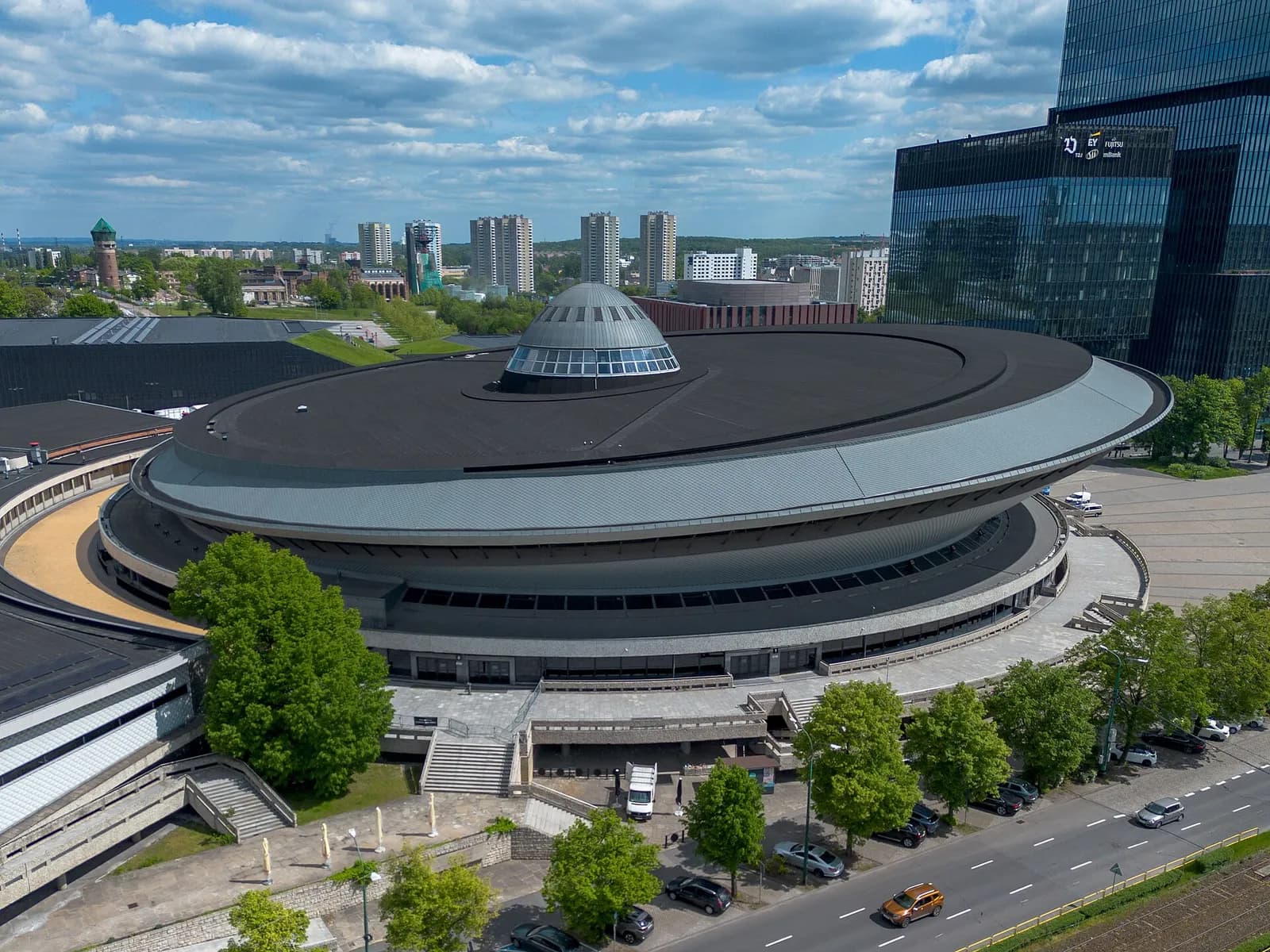
The Katowice City Museum and landmarks such as the Spodek arena represent different chapters of the city’s story, from everyday working life to modern cultural achievements.
The city’s Polish, Silesian and German influences remain part of its complex identity, reflected in local traditions, architecture and community memory.
Katowice Today: A City Looking Forward
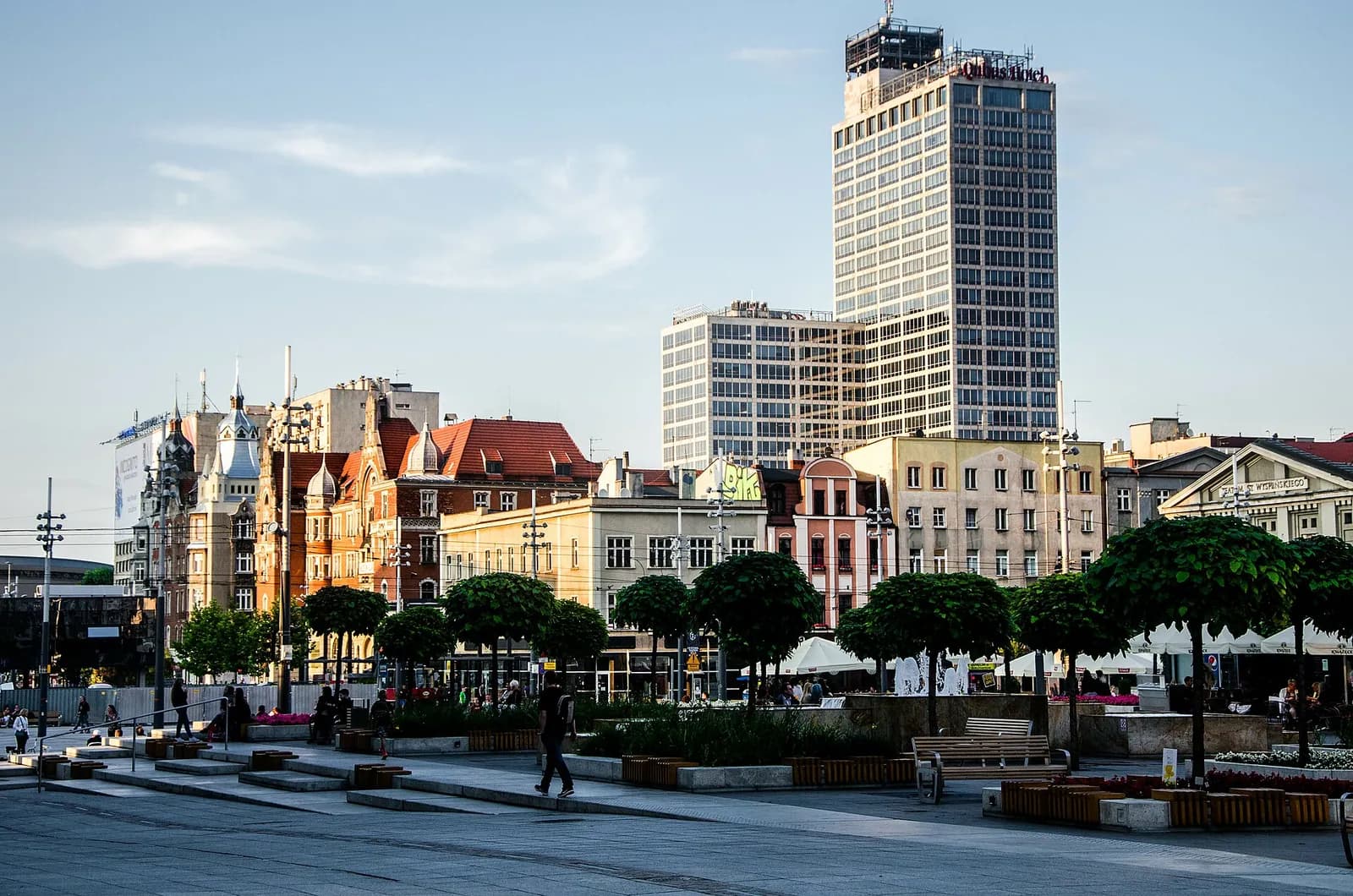
Modern Katowice is no longer defined only by coal and steel. It has become a regional centre for business, education, culture and innovation while maintaining strong connections to its industrial roots.
The city’s transformation reflects the wider story of Upper Silesia: a region adapting to economic change while preserving the heritage created by generations of workers and communities.
Katowice’s journey from a small village beside the Rawa River to a European city of culture and innovation is one of Poland’s most fascinating urban transformations.
Its mining heritage, multicultural history and modern ambitions continue to shape a city that respects its past while building its future.